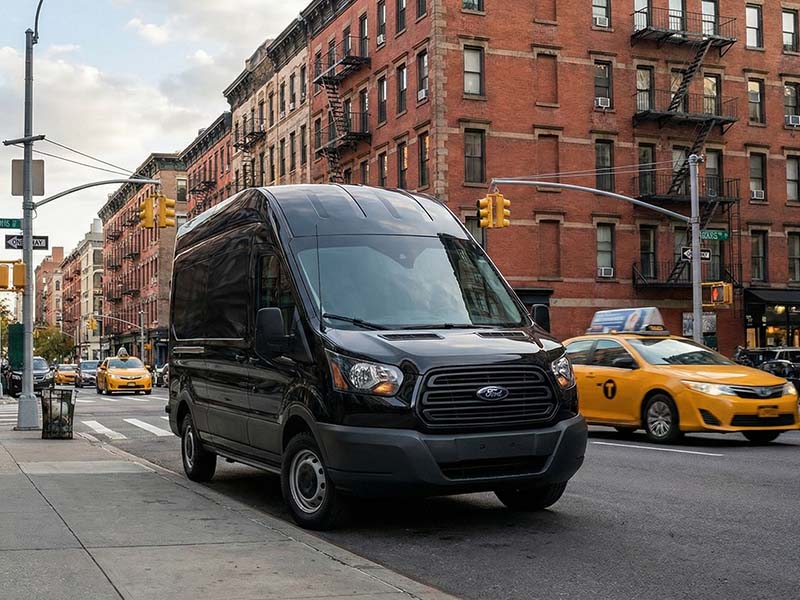
Ford Transit and Chevrolet Express vans are widely used in touring because they're simple, durable, and forgiving. They don't have the same emissions complexity as modern diesel vehicles, and for many bands that simplicity is a feature, not a limitation.
That said, touring still puts heavy stress on any vehicle. Long drives, heavy loads, unfamiliar roads, and tight schedules can turn small issues into big problems if they're ignored or overreacted to.
This guide focuses on best practices, common warning signs, and things not to do, with an emphasis on staying calm, observant, and communicative.
Ford Transits and Chevrolet Express vans are simple, durable, and forgiving, so tour care mostly comes down to habits: use regular unleaded fuel (never diesel), drive smoothly, and do a quick walk-around each day. Warning lights are usually early information, not emergencies; note the message, pay attention to how the van feels, and report the issue promptly. The one place gas engines are less forgiving than diesels is overheating, so do not keep driving if the temperature climbs.
First things first: warning lights are usually information, not emergencies
Modern gas vans use sensors to alert drivers early. A warning light does not usually mean the van is about to fail or needs to be parked immediately.
If a warning light comes on:
- Stay calm. Panic reactions cause more problems than the light itself.
- Note the message or symbol. A quick photo of the dashboard helps.
- Pay attention to how the van feels.
- Report the issue promptly so it can be evaluated.
In most cases, the van can continue operating normally while the issue is reviewed, unless performance or safety is affected.
Daily habits that prevent problems
- Quick walk-around: look for low tires, leaks, or anything new.
- Secure cargo: shifting gear changes braking and handling.
- Drive smoothly: aggressive inputs increase wear and fuel use.
- Use engine braking on hills: don't ride the brakes.
- Limit idling: especially when parked for long periods.
These habits are simple, but they address the most common touring-related issues.
Fueling: straightforward, but still worth double-checking
Most Ford Transits and Chevrolet Express vans used for touring are gasoline-powered.
- Use regular unleaded unless otherwise specified.
- Never use diesel fuel.
- At truck stops, confirm you're at a gasoline pump. Diesel nozzles are larger.
Fueling errors are rare with gas vans, but when they happen, they're costly and disruptive.
Common warning lights and what they usually mean
- Check Engine Light: Often emissions- or sensor-related; usually not urgent.
- Tire Pressure Warning: One or more tires may be low; check when safe.
- Battery Warning: Charging system issue; report promptly.
- ABS or Traction Control Light: Often a sensor issue; braking usually still works.
As with any vehicle, the combination of a warning light and a noticeable change in performance matters more than the light alone.
When a warning light matters more
Pull over safely and get guidance if a warning light is accompanied by:
- Loss of power or hesitation.
- Overheating warnings or rising temperature gauge.
- Strong fuel or burning smells.
- Severe vibration, grinding noises, or steering changes.
Continuing to drive through these symptoms can turn a manageable issue into a major repair.
Engine temperature: an important difference from diesel vans
Gas engines are generally more sensitive to overheating than modern diesels. Pay attention to the temperature gauge, especially:
- During long uphill climbs.
- In hot weather.
- When heavily loaded or towing.
If the temperature climbs higher than normal, reduce load on the engine and report the issue. Do not continue driving if overheating warnings appear.
Things you should never do
- Never put diesel fuel in the tank.
- Never ignore warning lights completely.
- Never drive downhill in neutral and re-engage drive while moving.
- Never overload the van.
- Never continue driving if the engine is overheating.
- Never attempt unauthorized repairs.
Most serious issues start with good intentions and the wrong response.
Hills, braking, and long-distance driving
- Downshift early on descents to protect brakes.
- Leave extra stopping distance when fully loaded.
- Take breaks on long drives to avoid fatigue-related mistakes.
- If towing, remember braking distances increase significantly.
A practical mindset for touring vans
Ford Transits and Chevrolet Express vans are designed to be durable and forgiving. Most warning lights are early notifications, not emergencies.
The best response is usually to observe, report, and continue driving safely unless there's a clear change in how the van operates. Calm decisions and clear communication prevent more problems than mechanical skill ever could.
This guide is for general informational purposes only and reflects common touring practices. It is not mechanical or safety advice. Always follow vehicle manuals, rental agreements, and manufacturer guidance, and consult qualified professionals when issues arise.
Frequently asked questions
What should I do if the check engine light comes on in a Ford Transit?
Stay calm; a check engine light is often emissions- or sensor-related and usually not urgent. Note
the message or symbol, pay attention to how the van feels, and report the issue promptly. In most
cases the van can continue operating normally while the issue is reviewed, unless performance or
safety is affected.
What fuel does a Ford Transit passenger van use?
Most Ford Transits and Chevrolet Express vans used for touring are gasoline-powered. Use regular
unleaded unless otherwise specified, and never use diesel fuel. At truck stops, confirm you are at
a gasoline pump; diesel nozzles are larger.
When should I pull over in a Transit instead of continuing to drive?
Pull over safely and get guidance when a warning light comes with a loss of power or hesitation,
overheating warnings or a rising temperature gauge, strong fuel or burning smells, or severe
vibration, grinding noises, or steering changes. Continuing to drive through these symptoms can
turn a manageable issue into a major repair.
Do gas vans overheat more easily than diesel vans?
Gas engines are generally more sensitive to overheating than modern diesels. Watch the temperature
gauge during long uphill climbs, in hot weather, and when heavily loaded or towing. If the
temperature climbs higher than normal, reduce load on the engine and report the issue, and do not
continue driving if overheating warnings appear.